
Rope Strength
Why the Strength on a Rope Label Is Not the Strength of Your Aircraft Tie-Down
Learn how knots, wet conditions, and safety factors can reduce the practical working strength of aircraft tie-down rope.
5 min read →
RampWarden Knowledge Base
Practical articles explaining aircraft tie-down rope strength, wind loading, preload tension, working load limits, elongation, UV aging, and dynamic loading.
Rope Strength
Learn why the strength printed on a rope label is only the starting point for aircraft tie-down planning.
Rope Strength
Learn how knots, wet conditions, and safety factors can reduce the practical working strength of aircraft tie-down rope.
5 min read →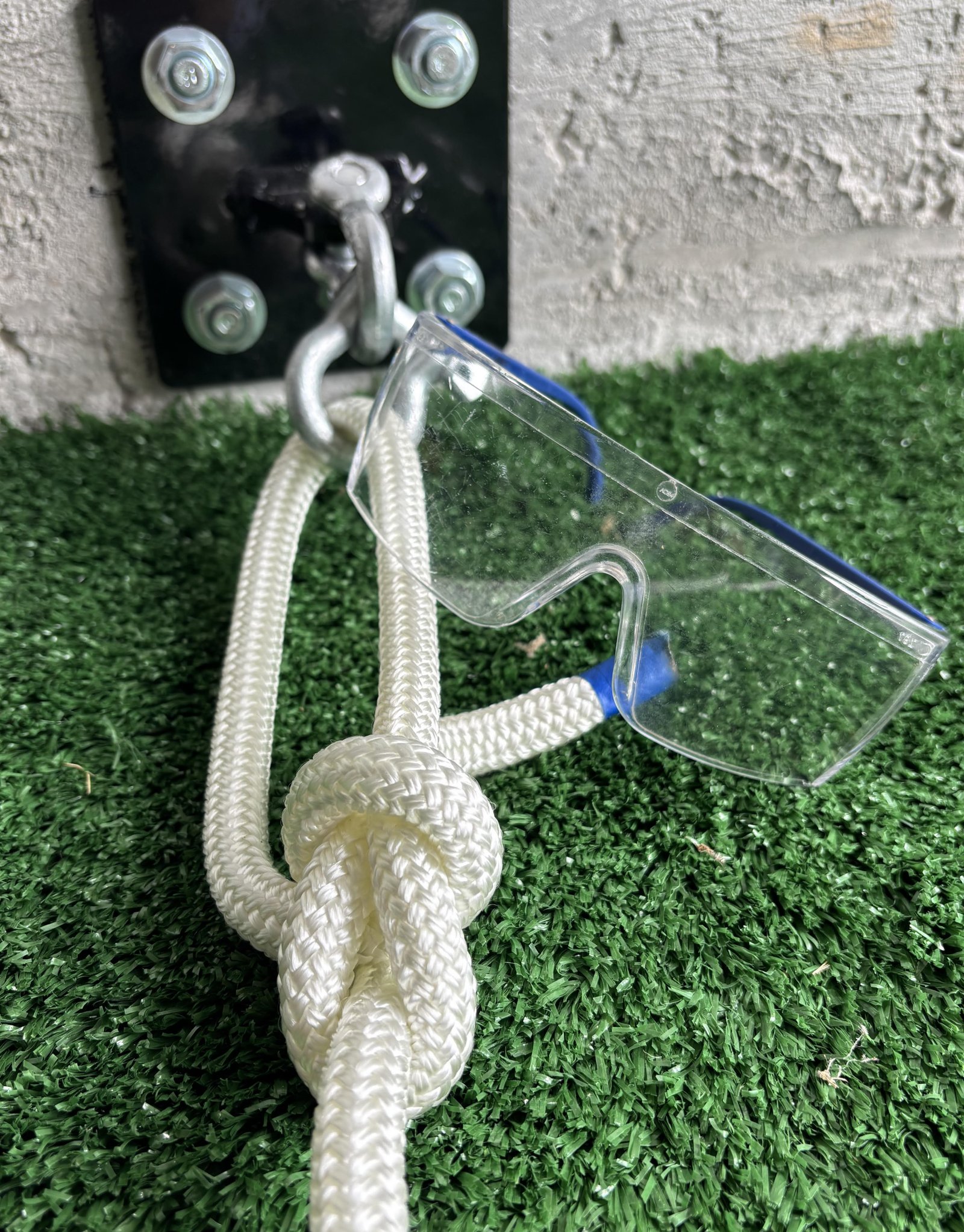
Safety Factors
A plain-English guide to minimum breaking strength, working load limits, and conservative safety margins.
5 min read →
Weathering
Understand how UV exposure, abrasion, moisture, dirt, and aging can affect rope performance over time.
5 min read →Aircraft Loads
Understand where tie-down loads come from and why wind, gusts, and geometry matter.
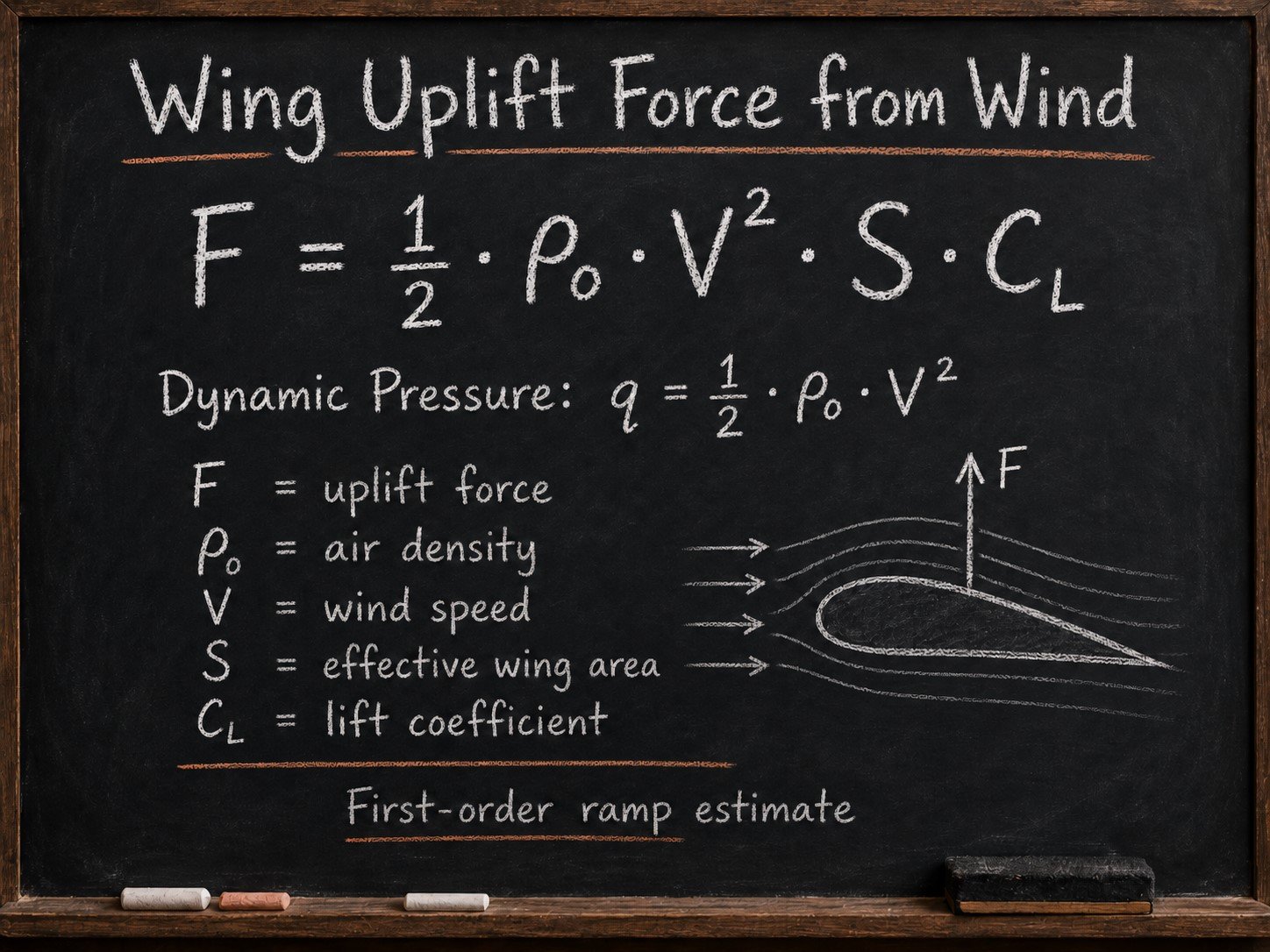
Wind Loading
Learn how wind can create lift and tie-down demand on a parked aircraft, and why tie-down geometry matters.
5 min read →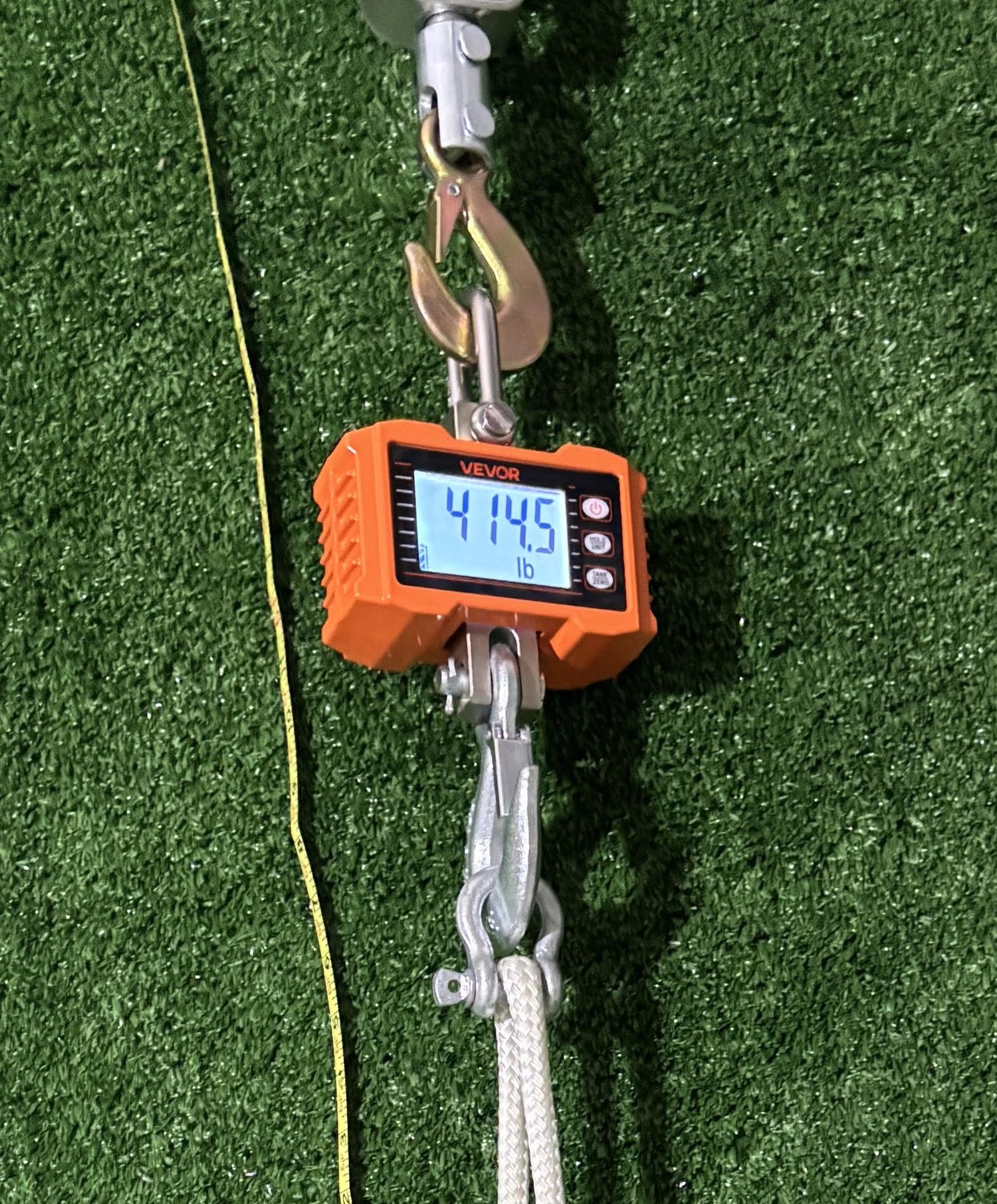
Dynamic Loading
Understand the difference between steady loading and gust-driven dynamic loading on aircraft tie-down systems.
5 min read →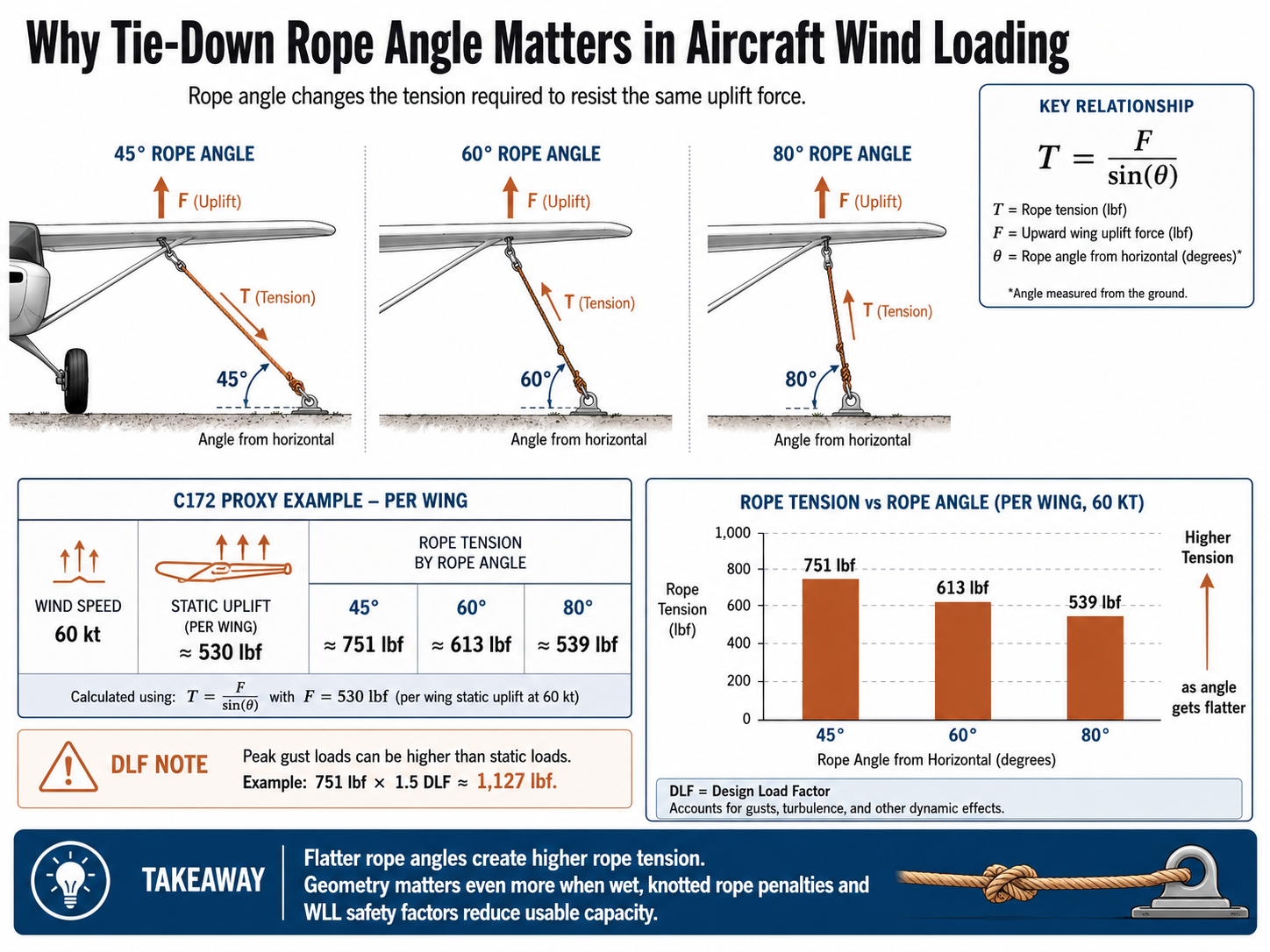
Dynamic Loading
A C172 proxy analysis showing how 45°, 60°, and 80° rope angles affect tie-down rope tension under static wing uplift, with a brief DLF peak-gust example and discussion of wet, knotted, and WLL safety-factor penalties.
5 min read →Field Setup
Practical concepts for understanding preload, slack, stretch, and rope behavior on the ramp.
Preload
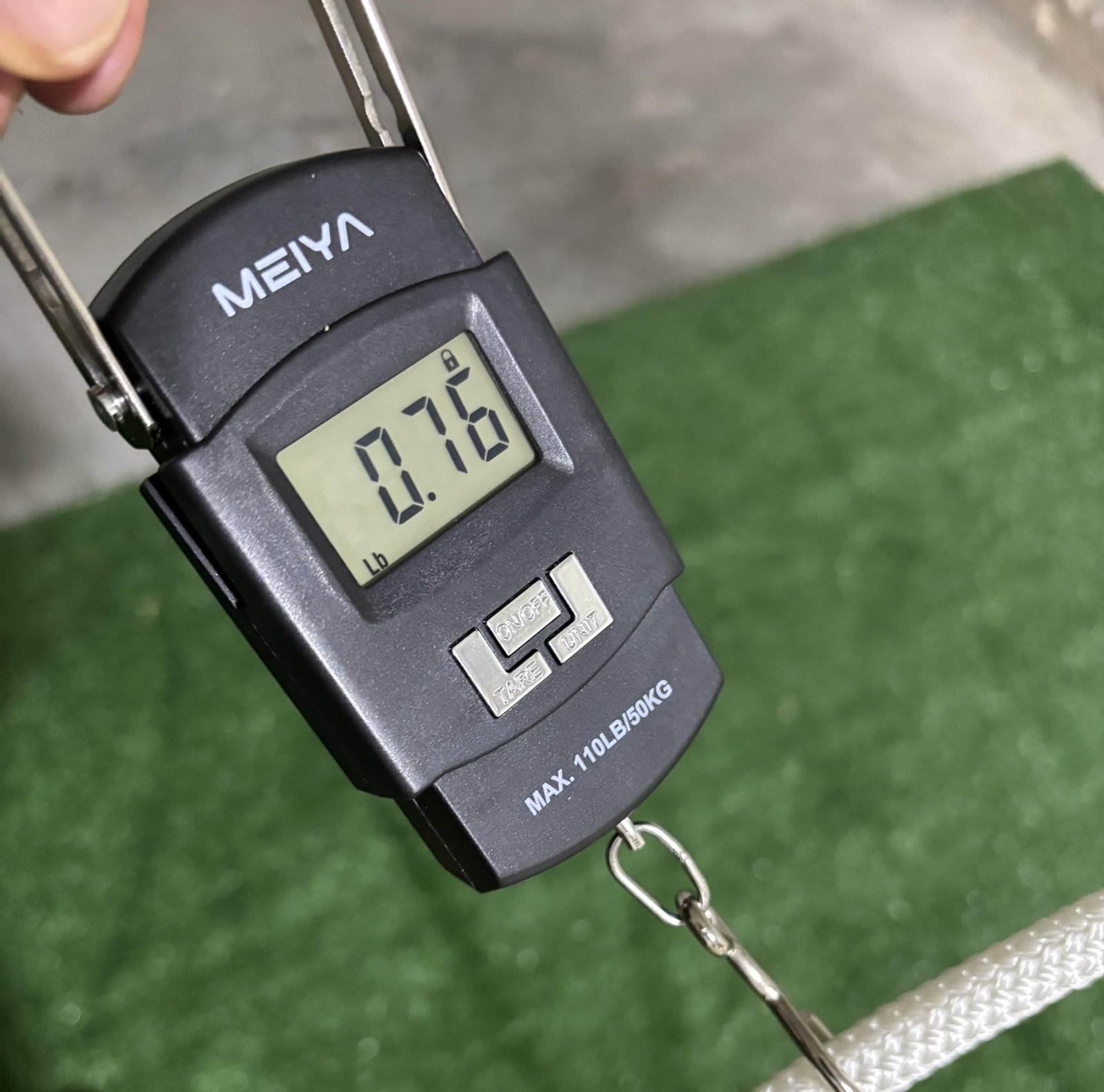
Learn why slack matters, why overtightening is not the goal, and how practical preload can improve tie-down setup.
5 min read →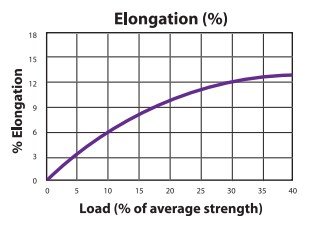
Rope Behavior
A simple explanation of how rope stretch changes with load and why elongation matters in aircraft tie-down systems.
5 min read →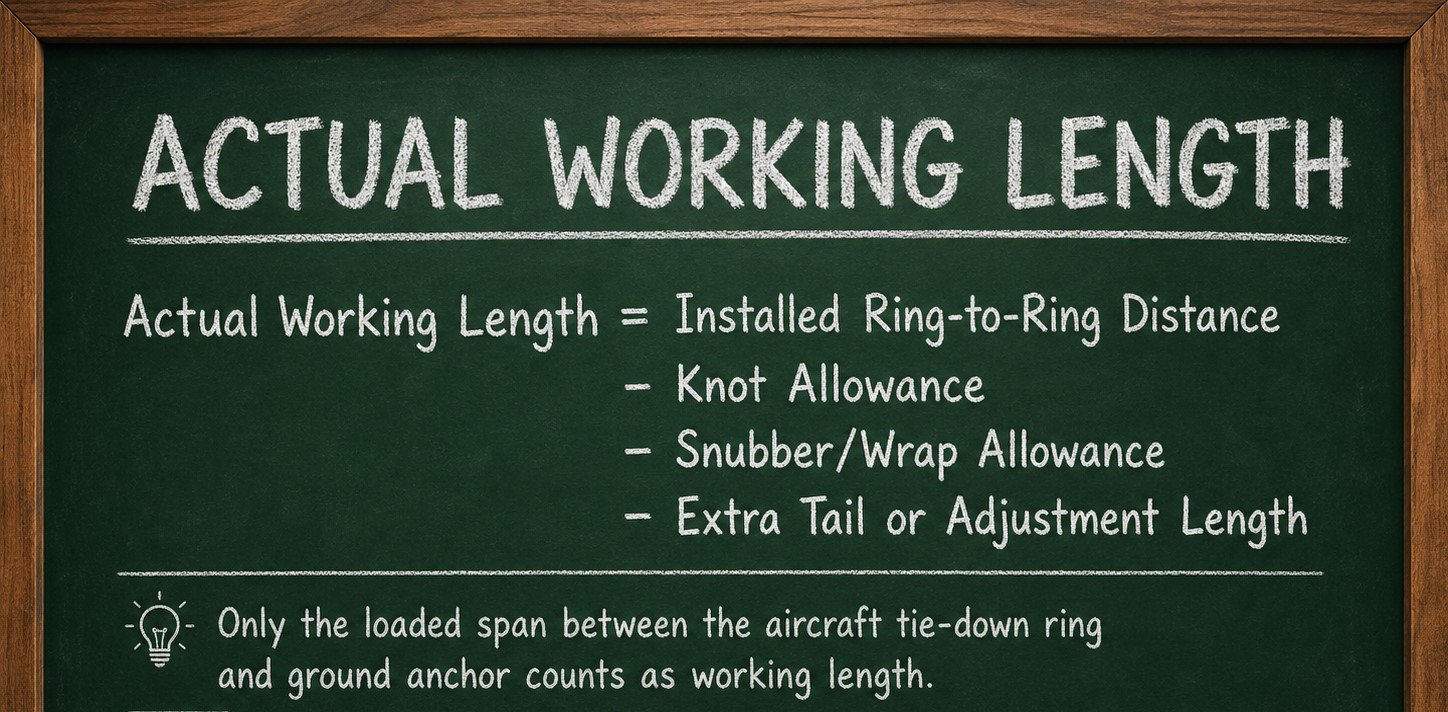
Tie-Down Geometry
Learn what actual working length means, why it differs from total rope length, and why RampWarden uses it as the basis for tie-down tension guidance.
5 min read →Knot Instructions
Short instructional videos showing how to tie the knots and hitches used in the RampWarden Aircraft Tie-Down Rope Calculator. Each knot option in the calculator uses a knot allowance/buffer to help estimate practical rope length.
A fixed-loop knot commonly used to create a secure loop at the ground anchor tie-down point.
A simple securing hitch used to fasten the working end of a rope after passing around an aircraft tie-down ring, ground anchor, or other attachment point.
A combo of two friction-locking hitches with a half hitch to secure. The most popular aircraft tie-down on the ramp.
A traditional adjustable hitch used where the rope may need to be tightened, loosened, or repositioned after tying.
A combined tie-down approach that uses an adjustable hitch for tensioning and two half hitches to help secure the working end.
An anchor-style hitch that wraps around the tie-down point before securing the working end with two half hitches.
RampWarden Lab
RampWarden Lab conducts static load testing on aircraft tie-down ropes, knots, snubbers, and related restraint systems. Lab articles and videos explore how these concepts behave under controlled test conditions.
Use the RampWarden Aircraft Tie-Down Rope Calculator to estimate rope length based on aircraft geometry, anchor layout, knot allowance, snubber use, and extra margin.
Use the Calculator