
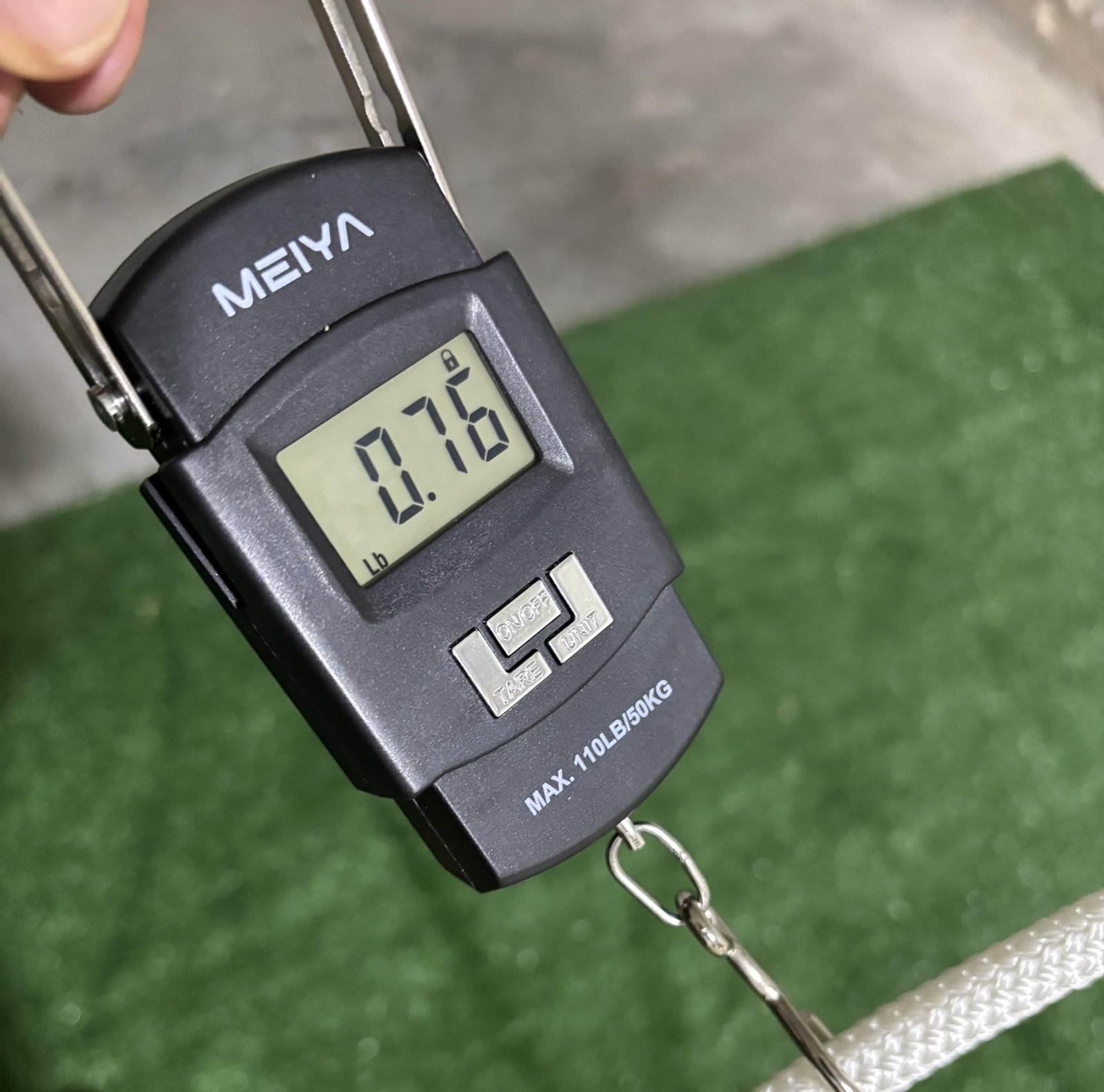
Aircraft tie-down ropes should not be hanging loose, but they also should not be cranked down as tightly as possible. The goal is not to force the aircraft down into the ramp. The goal is to remove unnecessary slack so the tie-down system engages earlier and more predictably when wind starts to load the aircraft.
That is where preload tension matters.
Preload is the small amount of tension placed into the rope when the aircraft is first tied down. It is the starting tension before wind, gusts, rocking motion, or uplift begin adding load.
Why Slack Matters
Slack is one of the biggest problems in a tie-down system. If the rope is loose, the aircraft can move before the rope begins doing meaningful work. A wing may lift slightly, the fuselage may rock, or the rope may shift around the ring before the system tightens.
When that slack is finally removed, the rope can catch more abruptly. That sudden engagement can create a sharper load spike than a rope that was already lightly tensioned.
A snug rope does not eliminate wind loading, but it helps the system respond sooner. It reduces the free movement available before the rope begins resisting motion.
Why Overtightening Is Not the Goal
More tension is not automatically better.
Overtightening can place unnecessary static load into the aircraft tie-down rings, knots, rope, tires, landing gear, and ground anchors before any wind load is even present. It can also make the system harder to set consistently from one rope to another.
A practical tie-down should have enough preload to remove slack, but not so much that the pilot is trying to pull the aircraft downward with excessive force.
For many general aviation tie-down situations, a practical field target may be in the range of about 10–15 lbf of preload tension. That is enough to create a snug rope without treating the tiedown as a winch.
Tire Inflation Can Affect Preload
Aircraft tires are part of the tie-down system because they support the aircraft and influence how the aircraft sits on the ramp. Properly inflated tires help keep the aircraft at its expected height and attitude. That makes the tie-down geometry more consistent from one setup to the next.
Improperly inflated tires can change that geometry. A low tire may lower one side of the aircraft, slightly change wing-ring height, alter rope angle, and change the starting tension in one or more ropes. If a tire loses pressure after the aircraft has already been tied down, the rope may become looser or tighter depending on the geometry and which tire changed.
This is another reason overtightening is not ideal. If the tires, landing gear, or aircraft attitude change after tie-down, excessive preload may add unnecessary stress to the system. A moderate, measurable preload gives the rope enough starting tension to reduce slack while preserving room for small changes in tire compression, tire pressure, ramp slope, and aircraft settling.
The Two-Finger Method
Many pilots use some version of the “two-finger method.” They pull or press on the rope with two fingers and judge whether the rope feels snug.
The problem is that this method is subjective. One pilot’s “snug” may be another pilot’s “loose.” Rope diameter, material, working length, knot type, wet condition, tire condition, and body position can all change the feel.
The two-finger method can be a useful quick check, but it is not a measurement.
A portable fish/luggage pull-scale is better because it gives a repeatable number. If the pilot pulls the rope sideways at the midpoint to a known deflection distance, such as two (2) inches, the scale reading can be used as a practical field indicator of rope tension.
Example Tension Formula
For a rope span pulled sideways at the midpoint, a first-order estimate relates midpoint pull force to rope tension:
Tension Estimate:
T ≈ F × L / 4d
Where:
- T = estimated rope tension
- F = fish scale pull force
- L = rope working length
- d = midpoint deflection distance
The same relationship can be rearranged:
F ≈ 4Td / L
Assume the target rope tension is 12 lbf, the active working length is 96 inches, and the midpoint deflection distance is two (2) inches:
F ≈ 4 × 12 × 2 / 96
F ≈ 1.0 lbf
In this example, pulling the midpoint of the rope 2 inches with about 1 pound of fish-scale force corresponds to roughly 12 lbf of rope tension.
If the target tension range is 10–15 lbf, the corresponding fish-scale reading would be approximately:
10 lbf tension: F ≈ 0.83 lbf
15 lbf tension: F ≈ 1.25 lbf
This is why rope working length matters. A longer rope requires a different midpoint pull reading than a shorter rope for the same underlying tension.
Practical Takeaway
Preload tension is not about making the rope extremely tight. It is about removing slack and creating a more predictable starting condition.
The two-finger method may be convenient, but a fish scale and a consistent deflection distance provide a more repeatable field check. Proper tire inflation also matters because aircraft height and attitude affect tie-down geometry. For aircraft tie-downs, consistency matters: proper rope length, practical preload, good knots, sound hardware, proper tire condition, and conservative judgment all work together.
Key Takeaway
Practical preload is about reducing slack, not overtightening the aircraft. A fish scale and consistent midpoint deflection method provide a more repeatable check than judging rope tension by feel alone.